
Unveiling the Future of Real Estate Tours
The Rise of Virtual Tours in Modern Real Estate
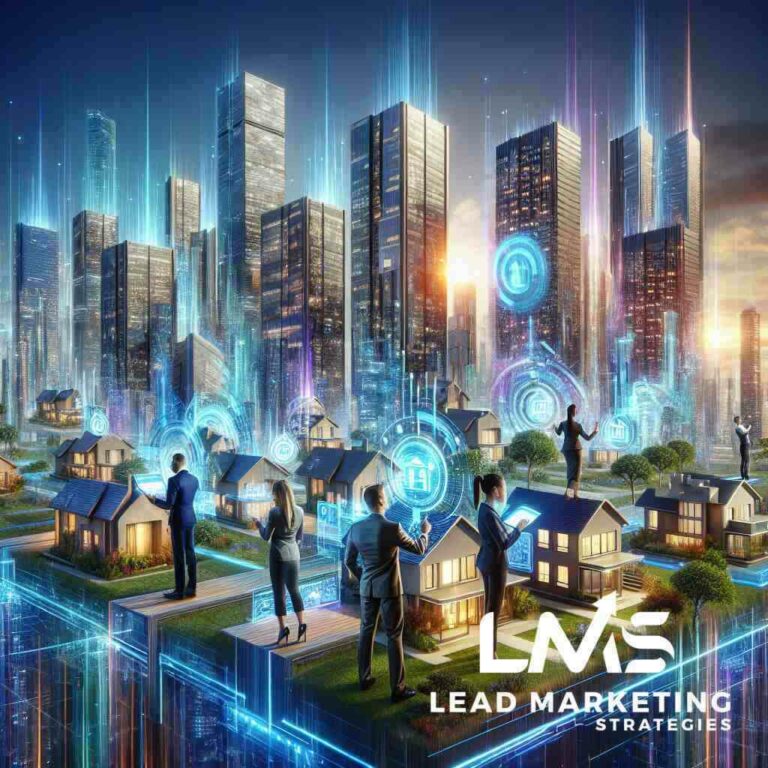
The real estate industry is experiencing a significant shift with the growing popularity of virtual tours. These innovative experiences are redefining how potential buyers explore properties, providing an immersive and interactive way to view homes from anywhere in the world. As technology advances, virtual tour marketing strategies have become crucial for reaching a broader audience effectively. Virtual tours not only offer convenience but also allow real estate professionals to showcase properties in their best light, ultimately enhancing buyer interest and engagement.
Spring Trends Shaping Digital Property Viewing
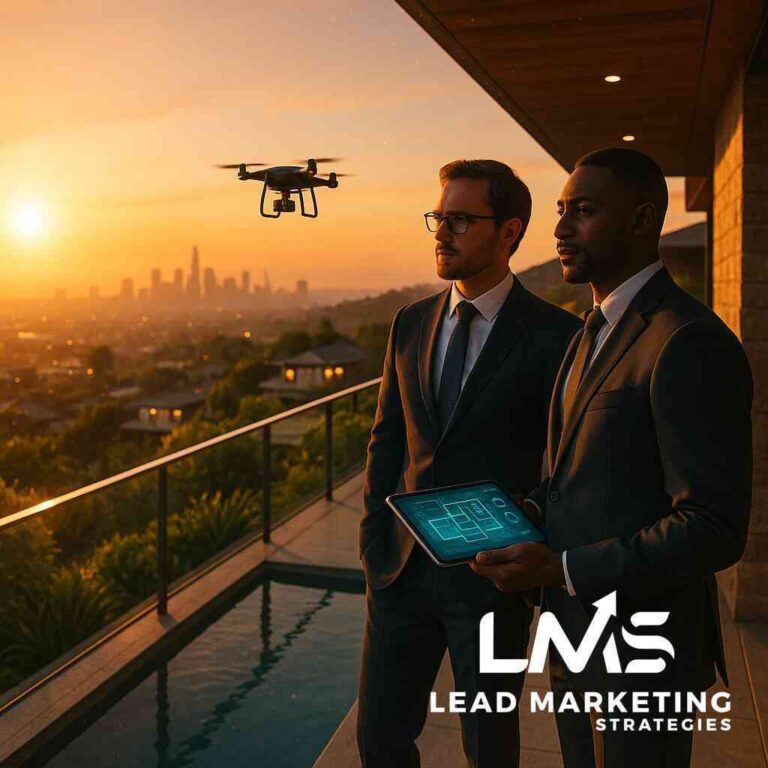
As spring ushers in renewed interest in property buying, digital real estate viewing is embracing the latest trends. This season, virtual tours are becoming more dynamic, with enhanced imaging and interactive elements leading the charge. Buyers now expect high-quality visuals and seamless navigation, making it essential for real estate firms to adapt to these demands. By investing in cutting-edge virtual tour technology, marketers can deliver an experience that is both appealing and informative, capturing the essence of each property vividly.
Why Now Is the Right Time for Virtual Innovations
Embracing virtual innovations in real estate marketing has never made more sense. As the industry moves toward a digitally driven landscape, real estate social media marketing plays a pivotal role in reaching tech-savvy audiences. With the market’s increasing reliance on online platforms, incorporating virtual tours into marketing strategies presents a unique opportunity to stand out. By using these tools effectively, real estate professionals can provide prospective buyers with a rich, interactive experience that surpasses traditional methods.
1 – Immersive Property Tours
Creating Engaging Virtual Experiences
In the competitive world of real estate, creating captivating virtual experiences is essential to capture and retain buyer interest. Using advanced technologies like 3D modeling and high-definition video tours, real estate marketing services can craft immersive experiences that leave a lasting impression. These virtual tours allow buyers to navigate properties at their own pace, exploring every corner with ease. This personalized journey not only increases engagement but also builds a deeper connection between potential buyers and the property.
Leveraging 3D Home Walkthroughs for Maximum Impact
3D home walkthroughs have become a powerful tool in property listing digital marketing. By offering a realistic, three-dimensional view of a property, these walkthroughs enhance the buying process by providing detailed perspectives that photographs alone cannot achieve. As buyers virtually explore each room, they gain a comprehensive understanding of the space, helping them envision themselves in the home. This enhanced level of detail and interaction consistently leads to increased buyer interest and a faster decision-making process.
Enhancing Buyer Interaction with Interactive Tours
Interactive tours are an excellent way to boost buyer interaction and engagement. By incorporating elements like clickable floor plans, embedded videos, and virtual reality features, real estate marketers can create a dynamic and engaging experience. These interactive components allow buyers to engage with the space in new and exciting ways, fostering a sense of exploration and discovery. Such approaches not only capture attention but also encourage buyers to spend more time exploring the property, paving the way for successful lead generation.
2 – Virtual Reality Home Presentations
Utilizing VR to Transform Real Estate Showcases
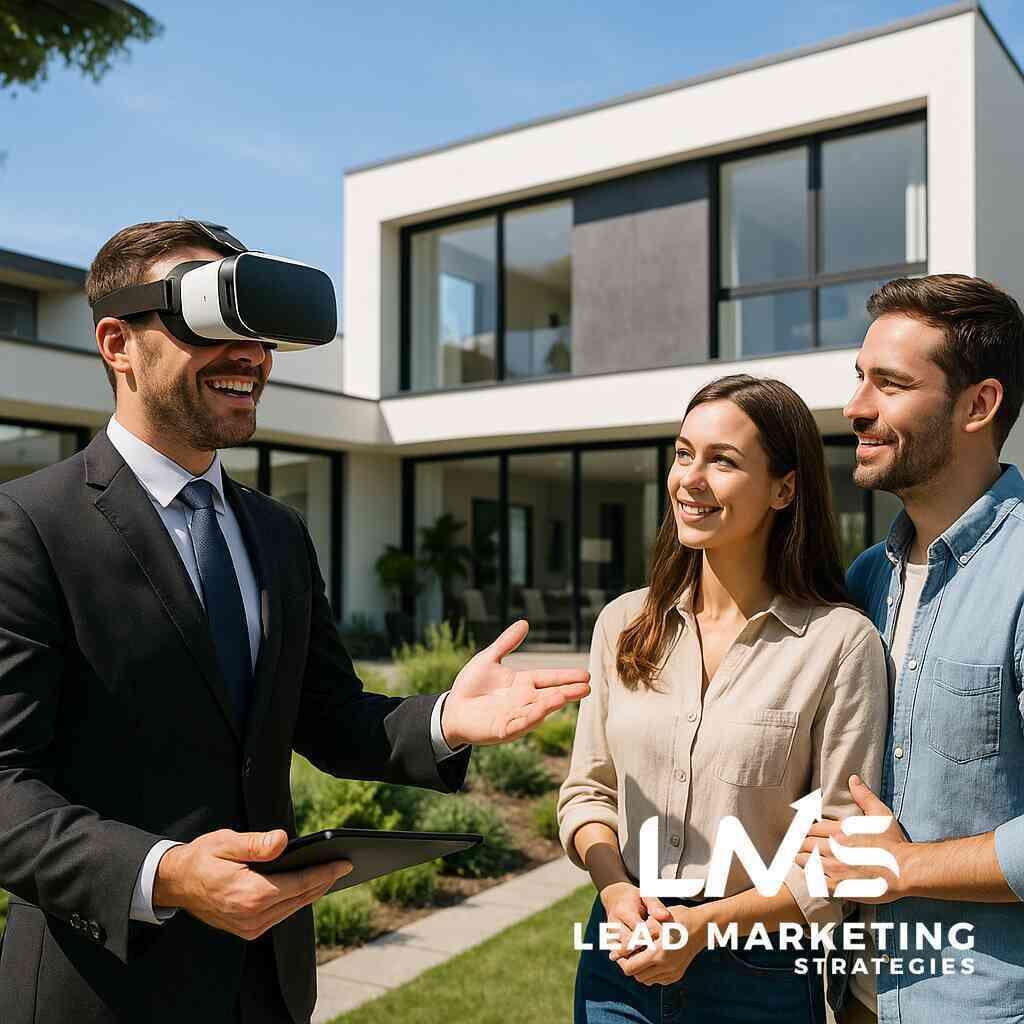
Virtual reality (VR) is revolutionizing the way real estate showcases are conducted. By using VR technology, real estate agents can offer potential buyers an unparalleled viewing experience that transports them directly into the property. This immersive approach allows buyers to explore every detail of a home from the comfort of their own space, making it an invaluable tool in property sales content marketing. The ability to virtually walk through a property strengthens the emotional connection and helps buyers form a more tangible impression of the space.
Integrating Cutting-Edge Technology for Realism
Creating truly realistic virtual reality home presentations requires cutting-edge technology. High-resolution imagery, realistic motion tracking, and spatial audio are key components that contribute to the overall realism of the experience. By carefully crafting VR presentations, real estate professionals can offer authentic and engaging tours that replicate the feel of physically visiting a property. Such innovation not only captivates potential buyers but also sets a high standard for real estate digital transformation, pushing boundaries and redefining property showcasing.
Crafting Memorable Virtual Reality Experiences
Creating memorable virtual reality experiences requires a keen focus on user engagement and visual storytelling. By combining stunning visuals with immersive narratives, real estate firms can craft VR presentations that resonate deeply with buyers. These experiences should evoke emotion and curiosity, drawing buyers into the story of the home. Whether it’s showcasing the sleek design of a modern loft or the cozy ambiance of a traditional family home, the goal is to leave a lasting impression that inspires interest and action.
3 – Digital Property Staging
Optimizing Online Property Staging Techniques
Digital property staging is an essential component of effective real estate marketing, allowing potential buyers to envision themselves in a space without requiring physical staging. By using advanced software, real estate marketers can optimize online staging techniques to create visually appealing and versatile spaces. Digital staging offers the flexibility to showcase different design styles and purposes for each room, catering to diverse buyer preferences. This level of customization not only enhances appeal but also broadens the property’s market reach.
The Art of Virtual Home Styling
Mastering virtual home styling is an invaluable skill in property marketing. By crafting stylized interiors that resonate with target audiences, real estate professionals can increase a property’s desirability. From selecting modern furniture to incorporating trendy decor, every element in virtual styling is carefully chosen to elevate the home’s aesthetic appeal. These expertly designed spaces capture buyers’ imaginations, enabling them to visualize the full potential of the property. Virtual home styling not only captures attention but also accelerates the path to a successful sale.
Boosting Appeal with Digital Staging Solutions
Digital staging solutions have emerged as a powerful tool for boosting property appeal and engagement. By employing tools like augmented reality (AR) and 3D rendering, real estate marketers can create staged environments that are both realistic and customizable. These solutions empower buyers to personalize spaces to their liking, fostering a deeper connection and increasing the likelihood of conversion. By combining technology with creativity, digital staging delivers an impactful approach to property showcasing that resonates with today’s tech-savvy buyers.
4 – Interactive Real Estate Experiences
Engaging Prospective Buyers with Interactive Tools
Interactive tools are at the forefront of engaging prospective buyers in the digital real estate market. By incorporating features such as virtual assistants, live chat options, and interactive floor plans, real estate professionals can enhance buyer engagement and provide immediate assistance. These tools allow buyers to gather information seamlessly and actively participate in the exploration process. Real estate firms that invest in such technology demonstrate a commitment to innovation, fostering trust and strengthening connections with potential clients through enhanced digital marketing user experience.
Building Immersive User Journeys
Creating immersive user journeys is essential for capturing the attention and interest of prospective buyers. Through interactive experiences that guide users from room to room, showcasing key features and highlights, real estate marketers can craft journeys that feel personalized and engaging. By using virtual tour platforms that offer intuitive navigation and interactive elements, buyers are encouraged to explore properties in depth. This approach not only increases the time spent viewing a listing but also enhances the overall experience, driving greater engagement and interest in the property.
Enhancing User Experience Through Interaction
Enhancing user experience through interaction is a critical component of modern real estate marketing. By integrating interactive elements such as quizzes, infographics, and virtual reality previews, real estate firms can create dynamic content that resonates with audiences. These features allow for an enriched exploration process, where users can actively participate and engage with the property. Such experiential marketing strategies not only capture attention but also increase the likelihood of lead conversion, setting real estate marketers apart in a competitive landscape.
5 – Virtual Open House Strategies
Crafting Seamless Virtual Open House Events
Crafting seamless virtual open house events requires careful planning and execution. By combining high-quality video content, live streaming, and interactive Q&A sessions, real estate agents can create engaging and informative events. These virtual open houses allow potential buyers to experience the property in real time, providing the opportunity to ask questions and gain valuable insights. Hosting such events effectively can significantly increase buyer interest, enhance property visibility, and support successful lead generation for real estate agents.
Maximizing Attendance and Engagement
Maximizing attendance and engagement at virtual open houses is crucial for generating strong interest in properties. By promoting events through social media, email marketing, and real estate networks, marketers can attract a wider audience. Implementing RSVP systems and sending reminders can ensure high attendance rates. Additionally, incorporating engaging multimedia content and providing informative tours can foster active participation, making virtual open houses a valuable tool for converting leads and closing deals.
Innovative Approaches to Virtual Open Houses
Innovation is key to setting virtual open houses apart from traditional methods. By integrating features like 360-degree tours, interactive maps, and live commentary, real estate professionals can deliver an immersive and informative experience. Creating themed open houses – such as a “Designer’s Showcase” or “Family-Friendly Spaces” – can tailor the experience to specific buyer interests. Such approaches not only captivate audiences but also highlight unique property attributes, making virtual open houses a compelling marketing strategy.
Frequently Asked Questions
Question: How can Real Estate Marketing Strategies help enhance virtual tour engagement techniques to attract more buyers?
Answer: Real Estate Marketing Strategies specializes in creating engaging virtual property tours by leveraging cutting-edge technology and immersive experiences. Our approach combines high-definition video tours, interactive elements, and 3D home walkthroughs to provide potential buyers with a realistic and dynamic viewing experience. By focusing on virtual tour engagement techniques, we ensure that the tours capture buyers’ attention, encouraging them to explore properties in depth, thus enhancing interaction and boosting conversion rates.
Question: What innovative approaches does Real Estate Marketing Strategies offer for hosting virtual open house events?
Answer: We offer a variety of innovative virtual open house strategies to maximize attendance and engagement. Our approach includes crafting seamless virtual events using high-quality video content, live streaming, and interactive Q&A sessions. By implementing RSVP systems and promoting through social media, we ensure a wide reach. Our virtual open houses incorporate engaging multimedia content and unique features like 360-degree tours and interactive maps, which captivate audiences and highlight the unique attributes of each listing.
Question: How does the ‘Top 7 Real Estate Virtual Tour Marketing Tips for Spring 2026′ blog post align with Real Estate Marketing Strategies’ services?
Answer: The ‘Top 7 Real Estate Virtual Tour Marketing Tips for Spring 2026′ blog post aligns perfectly with our offerings at Real Estate Marketing Strategies. Our digital marketing solutions include immersive property tours, virtual reality home presentations, and digital property staging – all of which are highlighted in the blog. By adapting to the latest real estate tech trends and developing innovative property showcasing methods, we ensure our clients’ listings are presented with the highest quality and effectiveness.
Question: What role does virtual reality play in transforming real estate presentations according to Real Estate Marketing Strategies?
Answer: Virtual reality is a powerful tool in real estate presentations, allowing potential buyers to experience a property as if they are physically present. At Real Estate Marketing Strategies, we use VR to transform property showcases with immersive tours, high-resolution imagery, and spatial audio. These enhancements strengthen the emotional connection buyers feel with a home, making it easier for them to envision themselves in the space and ultimately driving interest and facilitating quicker sales.
Question: How does Real Estate Marketing Strategies optimize digital property staging to increase buyer interest?
Answer: Our approach to digital property staging involves using advanced software to create visually appealing and versatile interior designs. By mastering digital home styling, we tailor spaces to resonate with target buyers, showcasing various design styles to cater to diverse preferences. This flexibility increases a property’s market reach and appeal, as buyers can easily imagine themselves in the staged environments, accelerating decision-making and enhancing overall buyer interest.

The Real Estate Marketing Strategies Team
Our team of marketing experts specializes in helping real estate agencies grow their businesses through strategic digital marketing, SEO, and customer acquisition.
View all articles