

If your listings are getting views but not calls, the problem is usually not the property. It is the ad mix, the message, and the local signals around it. The best real estate advertising strategies combine branding, local SEO, paid ads, social content, email follow-up, and a website built to turn attention into appointments.
Key Takeaways
- Local buyers click on listings that feel specific to their neighborhood, price point, and lifestyle, not generic ads that could fit any home.
- A strong Google Business Profile can generate seller leads when it is built for map pack ranking real estate, reviews, photos, and local relevance.
- Realtor SEO and IDX-friendly pages create steady real estate agent lead generation without depending on random posting or one-off boosts.
- Facebook ads for real estate and Instagram real estate marketing can move faster than open houses, but they must stay fair housing compliant.
- Real estate PPC works best when keyword targeting, audience filters, and landing pages are tightly matched to one listing or one audience.
- Email, CRM, and automation keep your name in front of leads after the first click fades, which is where many deals are won.
1) Why the listing gets ignored when the ad looks like every other home on the block
The quickest way to lose attention is to advertise a home like a commodity. Local buyers scan for what feels specific: school district, commute time, waterfront access, condo fees, lot size, or a walkable main street. In Long Island and beyond, the ad that speaks to a real life gets the click.
The local buyer filter that decides whether your ad gets a click in Long Island and beyond
A buyer does not compare your listing to the whole market. They compare it to three or four homes that feel close enough to matter. If your headline, photos, and description do not answer their hidden question – “Why this one?” – they move on fast. That is why property listing digital marketing has to start with audience fit, not just features.
Here is the part most homeowners miss: the same colonial in Commack can attract two different buyers for two different reasons. One wants more yard and fewer repairs. Another wants a clean layout near the LIRR or North Shore commute. The ad should reflect that split, especially in Long Island real estate marketing.
What real estate agent branding changes when the same property is posted on Zillow, Realtor.com, and social media
Real estate branding changes how people trust the same listing across platforms. Zillow might give you volume, Realtor.com may bring a different buyer profile, and social media gives you a chance to frame the story in a more human way. If the message stays identical everywhere, you waste the strengths of each channel.
ChannelBest useWhat to changeZillow marketingBroad buyer exposureTight price, features, and neighborhood cuesRealtor.com advertisingActive home searchersStrong listing details and high-intent phrasingSocial mediaAwareness and shareabilityShort hooks, lifestyle photos, and videoA client once brought us a listing that sat for weeks with flat engagement. We rewrote the ad around the home office, the backyard privacy, and the commute to Huntington, then paired it with stronger photos. The listing did not become “luxury” overnight. It became clear, and clarity sold.
2) When Google Business Profile starts sending seller leads instead of just map views
A well-built Google Business Profile can do more than show your office on a map. It can send seller leads, review-driven calls, and neighborhood visibility if you treat it like a local trust page. For agents, that means photos, services, posts, reviews, and location signals all have to work together.
How map pack ranking real estate works for agents trying to win neighborhoods, not just keywords
Map pack ranking real estate depends on relevance, distance, and prominence. Google looks at how closely your profile matches the search, how near you are to the searcher, and how strong your local reputation is. That is why agents who want to win a neighborhood need more than a profile with a phone number.
According to Google’s own local guidance, complete and active profiles perform better because they help the system trust your business. Reviews, service categories, regular updates, and local photos all help. For local agents, this is one of the cleanest paths to local SEO for real estate.
The exact signals that help a Commack NY or Long Island agent show up for local real estate marketing searches
If I were optimizing a profile for a Commack NY office, I would focus on these signals first:
- Primary category: real estate agent or real estate agency
- Service area: Long Island towns you actually serve
- Reviews: ask for them right after a closing or listing consultation
- Photos: office, team, listings, signs, and local landmarks
- Posts: market updates, new listings, sold properties, and open houses
- Website link: point to a strong landing page, not a generic homepage
Google Business Profile works best when it matches your site and your content. If your profile says one thing and your website says another, you weaken both. That is why we often connect GBP work to realtor SEO and local service pages on our site.
3) Why realtor SEO beats random posting when you need steady lead flow
Random posting creates bursts. Realtor SEO creates a system. If you want leads next month and next quarter, your site needs pages that rank for neighborhoods, property types, and intent-driven searches, then convert that traffic into calls and form fills.
The page structure and IDX website design choices that keep property listing digital marketing from going stale
The strongest IDX website design does three things well: it loads fast, it organizes listings cleanly, and it gives search engines enough context to understand the page. A thin page with a few listings and no supporting copy usually fades. A page with local neighborhood content, property filters, and internal links keeps working.
Our team in Commack often sees agents with decent traffic but weak conversions because the site does not guide the visitor. A good page should answer: where is the home, who is it for, what makes this area different, and what should the visitor do next? That structure is central to website design for real estate and lead generation services for real estate.
How real estate keyword research and realtor website optimization turn traffic into real estate agent lead generation
Real estate keyword research is not just about search volume. It is about matching the phrases buyers and sellers actually use, such as “homes for sale in Commack,” “waterfront condo near Long Island,” or “best agent for luxury listing promotion.” Then you build pages around those terms and refine titles, metadata, internal links, and FAQs.
A simple SEO structure often outperforms a noisy one:
- One page per intent: buyers, sellers, neighborhoods, luxury, condos, and commercial
- One main keyword cluster per page: no stuffing
- One clear call to action: book, call, or request valuation
- One supporting blog stream: market updates, guides, and listing tips
Google’s helpful content standards reward pages that answer the question directly. That is exactly why realtor website optimization matters more than posting without a plan. If you want deeper examples, I also point agents to our SEO guide and the broader marketing blog.
4) What Facebook and Instagram ads do better than open houses when the goal is speed
Facebook and Instagram can move faster than an open house because they reach people before they are ready to raise a hand. That makes them strong for new listings, price reductions, and neighborhood awareness. The key is using compliant targeting and creative that stops the scroll without overpromising.
How real estate social media marketing and Facebook ads for real estate fit the fair housing compliant rulebook
Fair housing compliant marketing means you cannot target or exclude people in ways that suggest preference based on protected classes. Meta’s housing ad rules also limit certain targeting options. That means your campaign should focus on geography, broad interests, and listing content, not on who you think should buy. This is where good real estate social media marketing gets disciplined. You build separate creative for sellers, buyers, and listings. You use clear language, strong visuals, and broad local reach. If you need help building compliant campaigns, our social media marketing for real estate focuses on exactly that balance. ### The creative angles that make Instagram real estate marketing and real estate video marketing stop the scroll 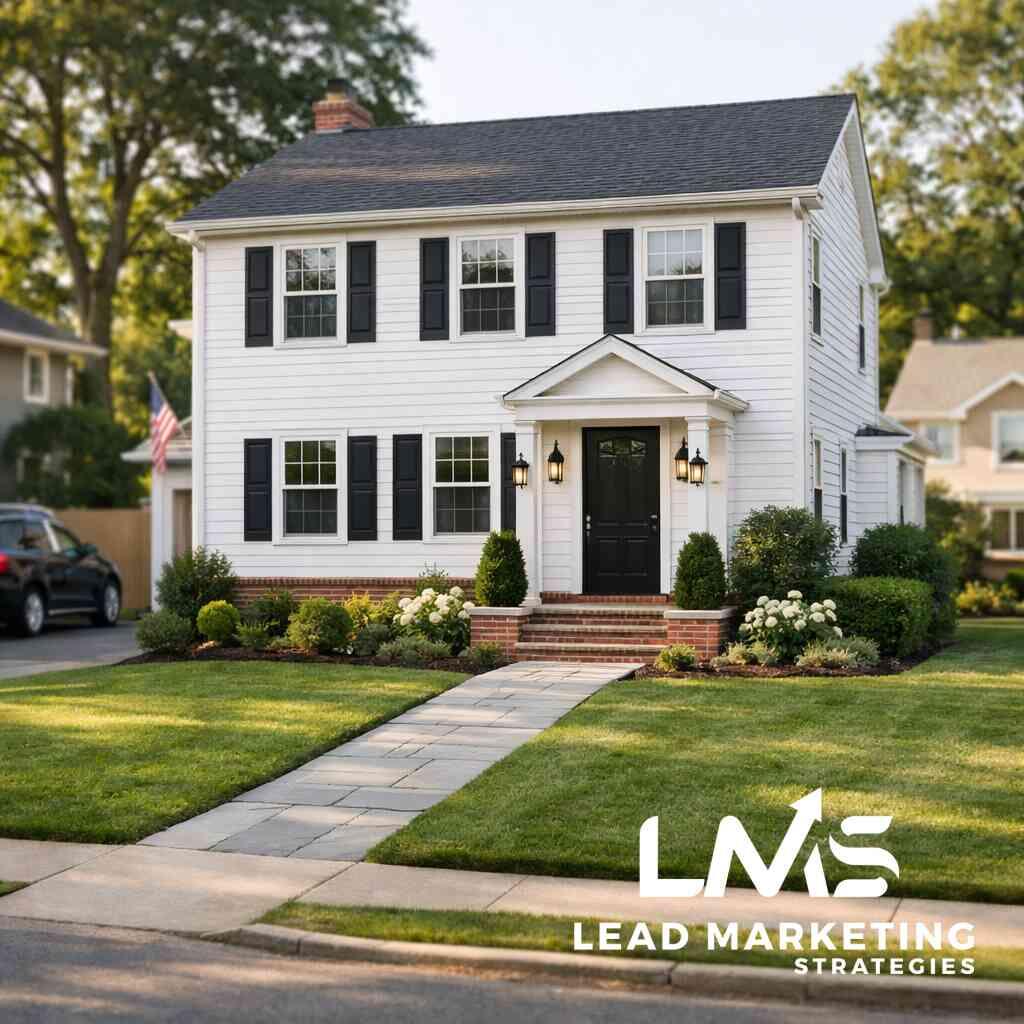
The best-performing creative is usually simple. Short video beats polished but boring. A 20- to 40-second walkthrough, a kitchen reveal, a drone pass, or a “three things buyers notice first” reel often works better than a static brochure post.
For Instagram real estate marketing, I look for these hooks:
- Lifestyle: morning light, outdoor space, walkability
- Problem-solving: storage, layout, commute, privacy
- Proof: before-and-after prep, offer results, sold sign moments
- Local pride: school district, main street, beach access, village center
One of our Long Island campaigns used a quick video of a backyard, then cut to the nearby train station and local coffee spot. That ad outperformed the open house flyer by a wide margin because it showed a life, not just a structure. That is the real strength of real estate video marketing.
5) The PPC setup that separates high-cost clicks from real leads
PPC works when the click leads to a page that matches the search. It fails when broad keywords, weak landing pages, and vague offers waste budget. The best real estate PPC campaigns protect cost per lead by narrowing intent and improving conversion quality.
How Google Ads for realtors, real estate PPC, and Google Ads custom audiences keep cost per lead realtor numbers under control
Google Ads for realtors is most effective when you use exact-match or tightly themed phrases, local landing pages, and negative keywords that block junk traffic. Custom audiences can help, but they should support intent, not replace it. If the ad says “sell your home in Commack,” the page should say the same thing.
PPC elementGood practiceCommon mistakeKeywordsLocal, intent-driven termsBroad terms like “house”Landing pageOne listing or one serviceHomepage dumpAudienceWarm visitors and local intentOverbroad reachTrackingCalls, forms, booked meetingsClicks onlyAccording to the National Association of Realtors, many sellers and buyers still begin with a mix of online research and agent contact, which means your ads need both visibility and follow-through. That is why we connect campaigns to PPC management and conversion tracking.
When Zillow marketing and Realtor.com advertising are worth the spend for luxury home marketing or commercial real estate marketing
Paid portal ads can make sense when the property justifies the spend. For luxury home marketing, luxury listing promotion, or commercial real estate marketing, the audience may already be shopping on those platforms and the value per closing can support a higher acquisition cost. The same is true when a very specific inventory type needs broad distribution fast.
The test is simple: if one closed deal can cover a meaningful campaign cost, then the channel may work. If margins are thin, you need tighter targeting and stronger owned assets first. That is where luxury real estate agent marketing can help.
6) Why email and automation still close deals after the first click fades
Email and automation matter because most leads do not convert on the first touch. They need reminders, market updates, and a reason to remember you. A good system keeps the conversation alive without sounding pushy or repetitive.
How real estate email marketing, real estate CRM, and real estate marketing automation keep your name in the inbox without feeling pushy
A strong real estate CRM tags leads by source, timeline, and interest level. Then real estate marketing automation sends the right message at the right time: new listing alerts, follow-up after a valuation request, or a check-in after an open house. This is how you stay useful instead of annoying.
A simple sequence can look like this:
- Day 1: thank-you email with the listing or resource
- Day 3: local market insight or comparable homes
- Day 7: short video or neighborhood note
- Day 14: invitation to schedule a call
- Ongoing: monthly market update and listing alerts
If you want a practical example, I often send agents to our email marketing tips because the basics still work when they are done cleanly.
The property sales content marketing and listing syndication sequence that helps how to get more real estate leads over time
Property sales content marketing gives your leads a reason to stay connected. Blog posts, neighborhood guides, market reports, and seller tips all help your site earn trust. Then listing syndication pushes the right property data to the places buyers already check, while your site remains the home base.
This is the long game for how to get more real estate leads. One good ad may create interest. A content and automation system creates follow-up. We see this most often with agents who pair listings, blogs, and CRM reminders into one workflow. It is steady, not flashy, but it compounds.
7) When the best move is a full local strategy instead of another one-off ad
A one-off ad can help in a pinch, but a full local strategy usually wins over time. If your budget is limited, you need a plan that balances SEO, paid media, content, and website conversion. Otherwise, you keep paying for attention you do not own.
How affordable real estate SEO, real estate marketing budget, and real estate marketing ROI should shape the next 90 days
Start with the channels that build equity. Affordable real estate SEO, a solid site, and a usable CRM usually outperform scattered spending. Then layer paid ads only where the cost per lead is justifiable.
A practical 90-day frame:
- Month 1: fix website gaps, GBP, and tracking
- Month 2: publish local pages and launch one campaign
- Month 3: review leads, CPL, and conversion rate
That is how I approach real estate marketing ROI discussions with agents in Commack and across Long Island. The question is not “what is cheapest?” It is “what produces qualified conversations?”
The decision frame for choosing nationwide realtor marketing, local SEO for real estate, or a hybrid plan with a real estate marketing agency Commack NY
If you serve one town or county, local SEO should lead. If you work across state lines or manage relocation referrals, nationwide realtor marketing may matter more. Most agents need a hybrid: local pages, local ads, and broader brand content that supports trust.
If you want a partner that understands commission-based businesses, we built Real Estate Marketing Strategies for exactly that. Our team in Commack, NY works with agents, teams, developers, and property management groups on SEO, website design, PPC, and automation, and we keep the process simple through our app and direct support. If you need help, call +18335323100 or download the Real Estate Marketing Strategies app and book a consultation.
Frequently Asked Questions
Question: What are the best real estate advertising strategies for local agents who want more realtor lead generation without wasting budget?
Answer: The best real estate advertising strategies usually combine local SEO for real estate, real estate social media marketing, Google Ads for realtors, and a strong website built for conversion. For local agents, the goal is not just impressions but qualified conversations, so your ad mix should match the audience and the property. At Real Estate Marketing Strategies, we help agents build a plan that includes realtor SEO, property listing digital marketing, real estate branding, and real estate marketing automation so leads do not disappear after the first click. We also look at real estate marketing budget and cost per lead realtor numbers to make sure every channel is working toward real estate marketing ROI. If you want a system that supports how to get more real estate leads over time, we focus on strategies that keep producing results instead of one-off spikes.
Question: How can a Google Business Profile for realtors improve map pack ranking real estate and bring in seller leads?
Answer: A properly optimized Google Business Profile for realtors can be one of the strongest tools for local SEO for real estate because it helps agents show up in map pack ranking real estate searches when buyers and sellers look for help nearby. The profile should include accurate service areas, local photos, reviews, posts, and a website link that points to a page built for real estate agent lead generation. At Real Estate Marketing Strategies, we connect Google Business Profile work with realtor website optimization, real estate keyword research, and local SEO for real estate so your visibility is supported across your entire digital presence. When your profile, website, and content all reinforce the same local message, you build trust faster and increase the chance that sellers choose you over another agent.
Question: How does Top 7 Real Estate Advertising Strategies for Local Agents apply to Zillow marketing, Realtor.com advertising, and real estate PPC?
Answer: The blog Top 7 Real Estate Advertising Strategies for Local Agents is really about matching the right channel to the right goal, and that applies directly to Zillow marketing, Realtor.com advertising, and real estate PPC. Portal ads can work well for luxury home marketing, luxury listing promotion, and commercial real estate marketing when the property value supports the spend, while Google Ads for realtors is often better for high-intent searches tied to a specific neighborhood or service. We help clients decide when to use paid portals versus Google Ads by looking at audience intent, real estate marketing budget, and expected real estate marketing ROI. Our team also makes sure the landing page, IDX website design, and call to action are aligned so the traffic does not get wasted. That is how we turn paid visibility into measurable real estate agent lead generation.
Question: What does Real Estate Marketing Strategies do for realtor web design, IDX website design, and real estate blogging?
Answer: Real Estate Marketing Strategies builds realtor web design and IDX website design solutions that are designed to support both search visibility and conversions. A good site should do more than look modern; it should help with realtor website optimization, real estate keyword research, and property listing digital marketing so visitors know exactly what to do next. We also support real estate blogging and property sales content marketing because consistent content helps strengthen local SEO for real estate and gives you more real estate content ideas to publish throughout the year. For agents serving Long Island real estate marketing markets, Commack, or wider service areas, we can create pages that speak to specific neighborhoods, property types, and buyer needs. That combination is what makes a website work as a lead generation asset instead of just an online brochure.
Question: How do real estate social media marketing, Instagram real estate marketing, and real estate video marketing help with fair housing compliant marketing?
Answer: Real estate social media marketing works best when it is broad, useful, and compliant. With fair housing compliant marketing, the focus should stay on the property, the lifestyle, the location, and the value of the home rather than on who you think should live there. Instagram real estate marketing and real estate video marketing are especially effective because they let you show a property quickly with short-form content, walkthroughs, neighborhood highlights, and realtor social media ideas that stop the scroll. At Real Estate Marketing Strategies, we help agents create content that is visually strong and compliant while still supporting real estate branding and realtor lead generation. Whether you need help with listing syndication, real estate email marketing, or social campaign ideas, our team builds content that is designed to attract interest without crossing compliance lines.
Question: Can Real Estate Marketing Strategies help with real estate email marketing, real estate CRM, and real estate marketing automation after the first lead comes in?
Answer: Yes, and this is one of the most important parts of how to get more real estate leads over time. Many agents focus on getting the click, but the real opportunity comes after the click with real estate email marketing, real estate CRM setup, and real estate marketing automation. We help organize lead follow-up so new contacts get the right message at the right time, whether they came from Facebook ads for real estate, Google Ads for realtors, listing syndication, or a website form. That follow-up can include market updates, property sales content marketing, neighborhood information, and listing alerts that keep your brand top of mind. When your CRM and automation are set up correctly, your real estate marketing budget works harder, your cost per lead realtor numbers become more predictable, and your chances of closing more deals improve significantly.
Every article is written by one of our founders and independently reviewed by the other before it goes live.

Ken Key is the Chief Technology Officer and Co-Owner of Real Estate Marketing Strategies. A full stack software, AI, and SEO engineer, he helps agents and brokers turn real estate marketing and lead generation into measurable growth. He runs the family business with his wife, Dominique, and treats every client's pipeline like his own.

Dominique Key is the Chief Marketing Officer and Co-Owner of Real Estate Marketing Strategies. She helps agents, teams, and brokerages build brands and real estate lead generation systems that grow their real estate business. When she is not guiding client strategy, she is running the family business with her husband Ken.